
"000 bags"
2000 article(s) found

Introduction to the flavor and taste characteristics of coffee in Nicaragua's Tianyi Manor with rich aroma, smooth and meticulous taste.
In many countries, coffee production will be seriously affected for political reasons. Nicaraguan coffee industry is no exception. The 1979 revolution forced coffee planters to flee to Miami. A period of indecision followed, when the government considered whether to redistribute land (including many plantations), which led to a shortage of coffee and a decline in production since the early 1970s

Suggestions on the characteristics, flavor and taste of the top coffee brand of St. Roman, Tarazu, Costa Rica
Professional coffee knowledge exchange more coffee bean information please follow the coffee workshop (Wechat official account cafe_style) hand-washed Tarazu San Roman, Costa Rica. 15g powder, medium grinding (small Fuji ghost tooth cutter 4 grinding), v60 filter cup, 88-89 degrees water temperature, the first injection of 30g water, 27 seconds of steaming, injection to 105g water cut off, wait for the powder bed water to half again

Introduction to the growing environment of high-quality Nicaraguan coffee
High-quality Nicaraguan coffee, grown in the north and middle of the country. Coffee is a pillar industry in Nicaragua, producing nearly 100,000 tons of coffee beans every year. Many people who have tasted Nicaraguan coffee usually think that it is no different from Salvadoran coffee or Honduran coffee. It is full-bodied, smooth and delicate, with a slightly bitter finish, like a faint taste in a wine. In

Introduction to the planting environment of the characteristic varieties of Puerto Rico coffee in the producing area
Puerto Ricans are the general name of the residents of United States Puerto Rico in Central America and the Caribbean. There are about 3.4 million people (1979). Spanish and English are widely used. More Catholic. The earliest inhabitants of Puerto Rico were Arawak and Caribbean Indians. In 2012, whites of European origin accounted for about 73% of the population, mixed-race people accounted for 23%, and blacks accounted for 4%. There are more than 20,000 Americans and others.

Introduction to the flavor description of Kenyan Jinchu Coffee with the fragrance of Green Tea
There are two types of coffee farms in Kenya. One is a large plantation that covers an area of more than five acres, but the average elevation is low. In the case of Kenyan coffee, the coffee beans of the large farms are of medium quality. The best Kenyan beans come from small farms, most of which are located in the foothills or volcanic slopes above 5,000 to 6,000 feet. Each small farmer has a capacity of only 20 to 70 bags per season.

Nicaraguan coffee imprint
Nicaragua Nicaragua location: central American area: 130000 square kilometers population: 5891200 official languages: Spanish coffee planting area: 100000 ha coffee yield: 1.2 million bags coffee varieties: Arabica coffee characteristics: high quality mixed type, aroma attractive overall grade: general special producing area coffee imprint: good Nicaraguan coffee genus

Coffee statistics collate how many cups of coffee are consumed per capita in China?
Table 1-annual per capita coffee consumption cups in China (2012-2004) year 2012 2011 2010 2009 2008 2007 2006 2005 per capita consumption cups 6.9 5.1 3.7 4.0 3.8 3.3 2.8 2.6 Coffee imports (million bags) 1088 809 573 618 592 535 505 425 397 population (10,000) 135404 134735 13409

Honduras coffee beans are the best coffee beans in Honduras.
Generally speaking, Honduran coffee has a good reputation and is suitable for blended coffee. Coffee in Honduras was imported from El Salvador. Honduras produces high-acid, high-quality coffee. As elsewhere, coffee grades in Honduras depend on altitude: coffee grown at 700 to 1,000 meters above sea level is medium, and coffee grown at 1,000 to 1,500 meters above sea level is medium.

Fine Coffee Honduras Coffee Processing Method Processing Method Washing
Generally speaking, Honduran coffee has a good reputation and is suitable for blended coffee. Coffee in Honduras was imported from El Salvador. Honduras produces high-acid, high-quality coffee. As elsewhere, coffee grades in Honduras depend on altitude: coffee grown at 700 to 1,000 meters above sea level is medium, and coffee grown at 1,000 to 1,500 meters above sea level is medium.

Honduras coffee beans Honduras coffee beans Honduras coffee beans
Generally speaking, Honduran coffee has a good reputation and is suitable for blended coffee. Coffee in Honduras was imported from El Salvador. Honduras produces high-acid, high-quality coffee. As elsewhere, coffee grades in Honduras depend on altitude: coffee grown at 700 to 1,000 meters above sea level is medium, and coffee grown at 1,000 to 1,500 meters above sea level is medium.
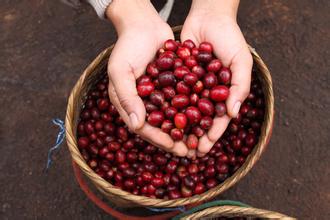
Honduras Coffee-Honduras Coffee-Honduras Coffee
Generally speaking, Honduran coffee has a good reputation and is suitable for blended coffee. Coffee in Honduras was imported from El Salvador. Honduras produces high-acid, high-quality coffee. As elsewhere, coffee grades in Honduras depend on altitude: coffee grown at 700 to 1,000 meters above sea level is medium, and coffee grown at 1,000 to 1,500 meters above sea level is medium.

Honduras coffee processing method
Generally speaking, Honduran coffee has a good reputation and is suitable for blended coffee. Coffee in Honduras was imported from El Salvador. Honduras produces high-acid, high-quality coffee. As elsewhere, coffee grades in Honduras depend on altitude: coffee grown at 700 to 1,000 meters above sea level is medium, and coffee grown at 1,000 to 1,500 meters above sea level is medium.

Honduran coffee has a good reputation and is suitable for blended coffee boutique coffee
Generally speaking, Honduran coffee has a good reputation and is suitable for blended coffee. Coffee in Honduras was imported from El Salvador. Honduras produces high-acid, high-quality coffee. As elsewhere, coffee grades in Honduras depend on altitude: coffee grown at 700 to 1,000 meters above sea level is medium, and coffee grown at 1,000 to 1,500 meters above sea level is medium.

Colombian Coffee Raminita Manor introduction Costa Rican multinational Coffee Group
For the exchange of professional baristas, please follow the coffee workshop (Wechat official account cafe_style) Columbia Coffee-Model student Colombia La Minita Reserva del Patron comes from La Minita Raminita's premium coffee La Minita estate series, model students come from the southernmost tip of Colombia, with an average elevation of 1600-2200 meters above sea level.

Introduction of Raminita Manor Model Coffee Taste
Narino comes from some fine small farms in Narino in southern Colombia, and the coffee in this area is arguably the best coffee in Colombia, which is monitored by the strict Costa Rican European Promotion Standard (Costa Rican Europrep Standards), which is different from other Colombian coffee production processes. Reserva del Patron

Introduction to the description of the flavor of Nicaraguan coffee beans by taste treatment
High-quality Nicaraguan coffee, grown in the north and middle of the country. Coffee is a pillar industry in Nicaragua, producing nearly 100,000 tons of coffee beans every year. Many people who have tasted Nicaraguan coffee usually think that it is no different from Salvadoran coffee or Honduran coffee. It is full-bodied, smooth and delicate, with a slightly bitter finish, like a faint taste in a wine. In

Introduction to the characteristics of Ugandan boutique coffee bean flavor and taste manor with persistent fruit flavor
Organic Uganda Burkina Faso uganda bugisu AA 18 mesh Uganda is a landlocked country in eastern Africa, across the equator, bordered by Kenya to the east, Tanzania and Rwanda to the south, the Democratic Republic of the Congo to the west and Sudan to the north. Most of the territory is located in the Central African Plateau, with lakes, with an average elevation of 1000,000,000 meters above sea level. There are many lakes and plateaus in the mountains, which are known as the water villages of the plateau. The western branch of the Great Rift Valley of East Africa
Kenya Coffee Bean Coffee Learning Coffee specializes in death wish Coffee website
Kenyan coffee is mostly grown at an altitude of 1500m, 2100m, and is harvested twice a year. Its main feature is a distinct fruit aroma, the common fruit aroma is citrus. Kenyan coffee has a multi-layered taste and juice acidity, perfect grapefruit and wine flavor, moderate mellow, is the favorite of many people in the coffee industry. Kenya Coffee borrows Hollywood

Introduction to boutique coffee with rich aroma and taste characteristics of coffee in Joy Manor, Nicaragua.
Managua, the capital of Nicaragua, is located in the west of the border, on the south bank of Lake Managua, hence its name. The northwest is 140 kilometers away from the Collinto seaport on the Pacific coast. 55 meters above sea level. It is a Spanish city with beautiful scenery. Because it is located on the eastern side of the Pacific volcanic active seismic belt, the city has had four strong earthquakes in the past 100 years, including one in December 1972.
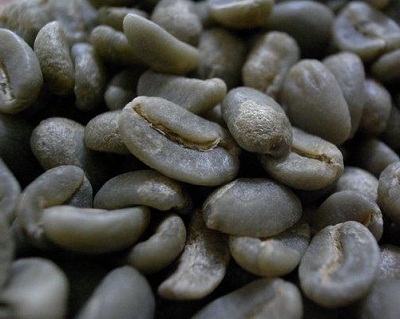
Do raw coffee beans need to be washed?
Do raw coffee beans really need to be washed? Good coffee beans are bagged and transported everywhere, this method may not be very clean, and even some monks have water or mud stains on the surface. If you carefully examine the microbes on the surface of raw beans that are invisible to the naked eye, you will find that there are about 10,000 bacteria on every gram of raw coffee beans. However, this does not mean that raw coffee beans must be washed.